Fotona 4D Laser Facial (TimeWalker) Encino, CA: What Sets It Apart?
People shopping for non-surgical facial rejuvenation in Encino usually come in with a familiar set of questions. They want lifting without surgery, smoother texture without a long recovery, and visible improvement that does not make them look treated. They have often tried peels, microneedling, radiofrequency, or injectables, and they are now looking for something that works on more than one layer of the face at once.
That is where the Fotona 4D Laser Facial, often associated with the TimeWalker platform, earns attention. It is not simply another resurfacing treatment and it is not just a skin-polishing session with a luxury name. What makes it different is the way it approaches facial aging from inside the mouth, across the surface of the skin, and in deeper tissue planes during the same overall treatment plan. In practical terms, it is designed to address laxity, texture, tone, and volume loss in a coordinated way rather than chasing each concern with a separate device.
For patients searching for a Fotona 4D Laser Facial (TimeWalker) Encino, CA options can feel crowded with marketing language. Clinics talk about tightening, collagen, rejuvenation, and zero downtime so often that the distinctions blur together. The useful question is not whether a treatment sounds advanced. The useful question is what it is actually doing in tissue, how it feels, who benefits most, and where it fits among the many choices available.
What the treatment actually is
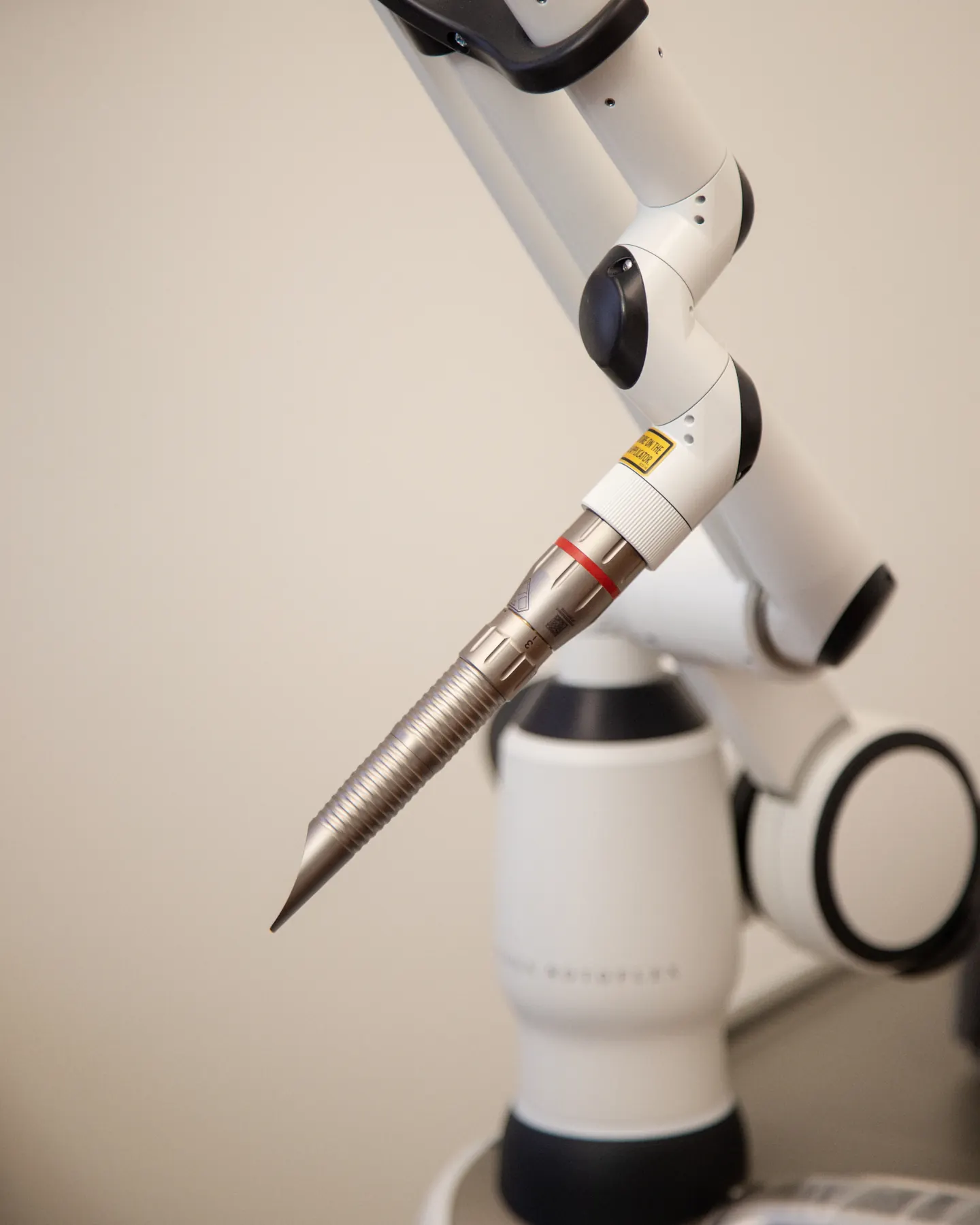
Fotona 4D is best understood as a multi-step laser protocol rather than a single-pass facial. The treatment typically combines different laser modes to target separate depths and structures of the face. One of the most talked-about features is the intraoral step, where the laser is used inside the mouth to heat tissue in the cheek area. That detail is not a gimmick. It matters because the oral mucosa allows providers to treat soft tissue support from an internal angle, particularly through the nasolabial region and midface.
From there, the treatment usually moves through external phases that focus on deeper dermal heating, skin tightening, and superficial textural refinement. The end result is a layered approach: internal support, collagen stimulation, and surface improvement.
That layered strategy is the reason many experienced aesthetic providers view it differently from one-dimensional treatments. A peel mostly addresses surface irregularity. A neuromodulator relaxes motion. A filler restores volume in a targeted location. Traditional resurfacing can improve lines and texture but may not do much for mild lower-face laxity. Fotona 4D sits in the middle of these categories. It does not replace everything else, but it has a wider treatment footprint than many non-invasive options.
Why the TimeWalker name comes up
The TimeWalker name is often used alongside Fotona because it refers to a newer platform and branding approach that incorporates Fotona’s laser technologies into a broader aesthetic experience. Patients sometimes assume TimeWalker is a completely separate treatment. It is more accurate to think of it as a platform identity and protocol ecosystem built around specific laser capabilities.
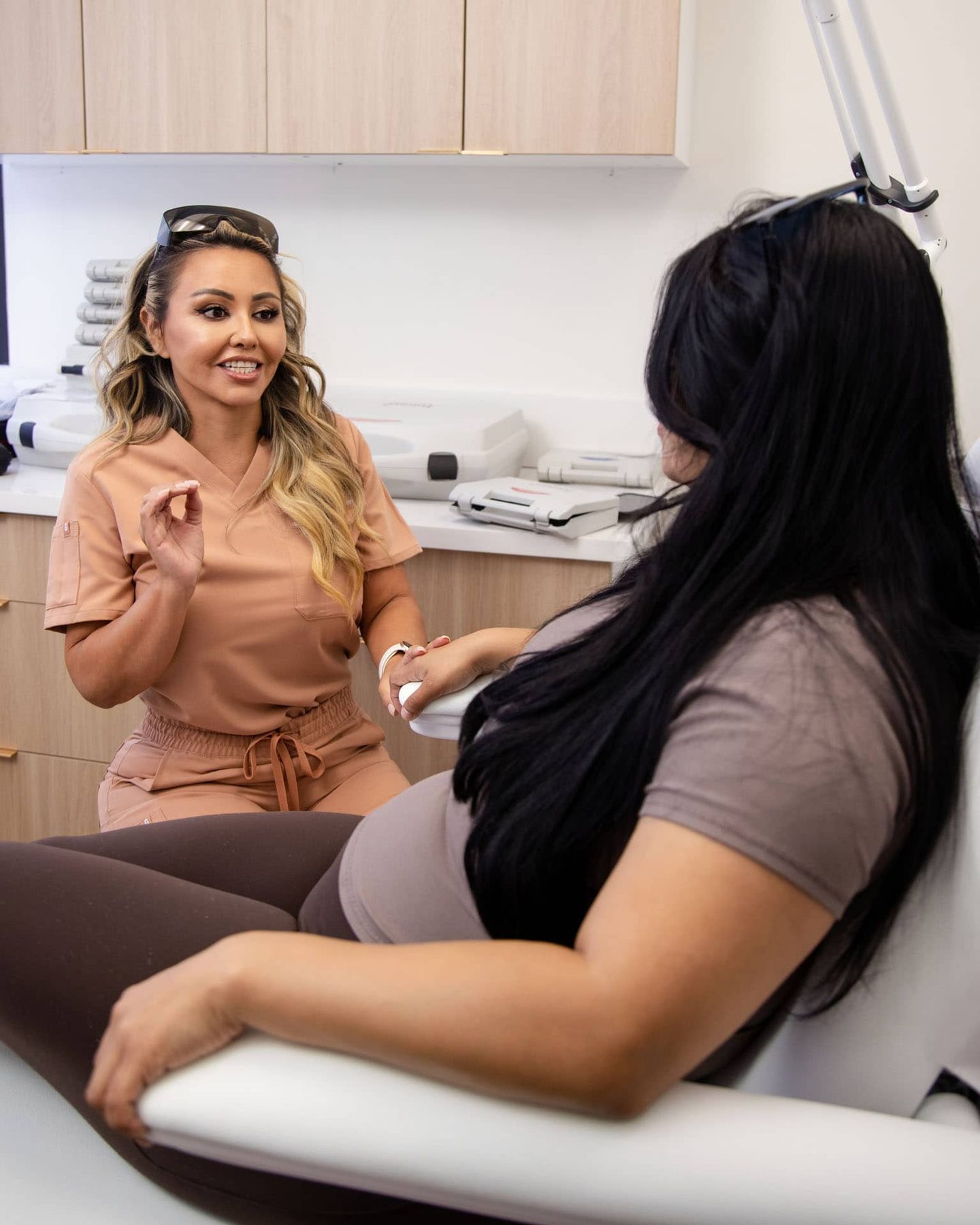
What matters more than the label is the provider’s familiarity with the settings, sequence, skin assessment, and treatment goals. In a well-run practice, the consultation should not sound like a script. It should sound like a plan. The practitioner should explain whether you are a better candidate for conservative collagen stimulation, more aggressive resurfacing, a series-based lifting approach, or a combination with injectables or skin care.
A device can be excellent on paper and underwhelming in the wrong hands. That is especially true with multi-step laser treatments, where judgment matters as much as hardware.
The four-dimensional difference
The phrase “4D” can sound like branding shorthand until you break down how the treatment works. The distinction is not just technical language. It reflects the fact that the protocol treats tissue in multiple dimensions of depth and location.
The intraoral phase often gets the most attention because it is unusual and surprisingly effective for the right patient. By delivering controlled heat to tissue inside the mouth, the provider can stimulate collagen and tightening in an area tied to smile lines and cheek support. Patients who have mild to moderate softening in the midface often notice this phase over time, not overnight, as the tissue gradually remodels.
The deeper external heating phase is aimed at tightening and collagen stimulation below the visible surface. This is where many patients feel warmth and a kind of progressive firming effect in the weeks after treatment. It is not the same as a facelift and should never be sold that way. Still, for someone with early laxity, especially around the lower face and jawline, it can provide improvement that simpler facials cannot.
The more superficial steps then focus on texture, fine lines, and skin quality. In clinic conversations, this is the part patients usually understand immediately because they can connect it to visible smoothness, brightness, and pore refinement. But in experienced hands, the visible polish is only one layer of the outcome. The more important value is that the skin quality work is happening within a broader structural plan.
What it tends to improve best
The strongest candidates for Fotona 4D are usually not the people with severe laxity or deeply etched folds who need surgery to get a meaningful change. They are often patients in the middle ground, where aging is visible but not extreme. This includes the person who says, “I look tired around my mouth,” or “my lower face feels softer than it used to,” or “my skin looks dull and less firm even though I take care of it.”
In real practice, the treatment often performs best in these areas:
- mild to moderate cheek and lower-face laxity
- early jowling or soft jawline definition
- fine lines around the mouth and cheeks
- uneven texture and enlarged-looking pores
- skin that has lost bounce and looks crepey or tired
That list comes with an important caveat. Improvement is often cumulative and subtle at first. Patients looking for a dramatic one-session transformation may be disappointed if they expect surgery-level lift. Patients who value progressive tightening, fresher Fotona 4D Laser Facial (TimeWalker) Encino, CA skin quality, and a natural look tend to be much happier.
How it feels during treatment
Most people want an honest answer here, not a brochure answer. Fotona 4D is usually tolerable, but comfort depends on the step being performed, the settings used, individual heat sensitivity, and the area treated. The intraoral phase can feel strange more than painful. It is warm, somewhat pressurized, and unfamiliar. The external heating phases can range from mildly hot to distinctly intense in areas with thinner skin or more contour. The superficial resurfacing step may add a prickly or snapping sensation.
A well-trained provider does not simply ask you to endure it. They adjust technique, move methodically, watch skin response, and balance efficacy with tolerance. In many offices, topical numbing is used selectively depending on the exact protocol. Some patients breeze through it. Others need brief pauses. Both are normal.
After treatment, many patients look pink or mildly flushed, similar to being in the sun or after exercise. Swelling is usually limited, though more can occur in sensitive individuals or when treatment intensity is increased. Makeup may be possible fairly soon depending on the protocol, but that should be clarified during consultation because not every version of Fotona 4D is equally light.
The recovery question, which matters more than marketing admits
One reason the Fotona 4D Laser Facial (TimeWalker) Encino, CA market is growing is that patients want meaningful treatment without isolating for a week. That makes sense in a place where people often have work meetings, school drop-offs, social events, and outdoor exposure all in the same week.
Still, “little to no downtime” is one of those phrases that needs translation. For some patients, downtime means not being able to Fotona 4D Laser Facial (TimeWalker) Encino, CA leave the house. For others, it means any redness at all. Most people can resume normal routine relatively quickly, but that does not mean the skin looks camera-ready the same day in every case. Mild redness, sensitivity, dryness, and a temporarily rough feel can happen. If a patient has an important event, I usually think in terms of building in a buffer rather than testing optimism.
That practical mindset is often what separates a good aesthetic experience from a frustrating one. The best outcomes are not just about treatment settings. They are about timing, skin prep, realistic expectations, and sun behavior afterward.
What sets it apart from other popular options in Encino
Encino patients often compare Fotona 4D with RF microneedling, CO2 lasers, ultrasound tightening, and standard fractional resurfacing. These are not interchangeable.
RF microneedling is useful for texture, mild laxity, acne scarring, and collagen induction. It can be excellent, especially for selected skin concerns, but it does not include the intraoral tightening component that makes Fotona 4D unique. Ultrasound-based treatments can target deeper structural layers and are often chosen for lifting, but they do not improve surface texture in the same integrated way. CO2 resurfacing can deliver more dramatic textural change for the right patient, especially with advanced sun damage and wrinkles, but recovery is usually more significant and the treatment profile is different.
Fotona 4D occupies a useful middle lane. It tends to appeal to patients who want a broader anti-aging effect than a superficial facial can offer, yet do not want the recovery, risk profile, or intensity of more ablative procedures. It is also easier to integrate into a maintenance strategy. That matters because facial aging is not solved in one appointment. It is managed over time.
The patients who are happiest with it
There is a certain kind of patient who almost always appreciates this treatment. It is the person who wants to look better, not altered. The person who notices details. The person who says their skin has become less resilient in the past few years and they want to get ahead of it before things feel severe.
The least satisfied patients are usually those who are either chasing an unrealistic lift or who have not been guided properly on what the treatment can and cannot do. A 62-year-old with substantial lower-face laxity may still benefit, but if surgery is clearly the more effective path, a laser should not be framed as equivalent. Good aesthetic medicine depends on restraint and honesty.
A practical consultation should cover skin type, recent sun exposure, pigment history, cold sore history if relevant, sensitivity, melasma tendencies, medications, and prior procedures. In Southern California, pigment management deserves special attention. Encino patients are often active outdoors year-round, and that changes how safely and effectively any laser plan is built.
Why provider judgment matters so much
Two clinics can offer the same brand name treatment and deliver very different experiences. That is not marketing hype. It is daily reality in aesthetics.
Laser medicine is about customization. Skin thickness, laxity pattern, pigmentation risk, vascularity, and tolerance all shape treatment decisions. Even something as simple as deciding how aggressively to resurface around the mouth versus the cheeks can affect healing and satisfaction. The machine provides capability. The provider provides judgment.
This is especially relevant with combination-based protocols. Some patients need more emphasis on tightening and less on resurfacing. Others have excellent facial structure but poor texture, so the protocol shifts. Some should pair the laser with neuromodulator for dynamic lines or with conservative filler in areas where volume loss is structural rather than skin-based. A thoughtful plan rarely depends on one treatment alone.
How many sessions people usually need
This varies, and anyone who gives a universal answer without seeing your skin is simplifying too much. Some patients do a single treatment before an event season and like the glow and firmness they get from that. Others do a short series for cumulative improvement, especially when laxity and texture are both in play.
Results are also shaped by baseline skin quality. A 38-year-old with early changes may respond faster than a 58-year-old with years of sun exposure, collagen loss, and etched lines. That does not mean older patients should avoid it. It means treatment planning has to reflect biology, not wishful thinking.
The timeline is important too. Some effects, such as post-treatment smoothness or radiance, can show up relatively early. Tightening and collagen remodeling usually take longer. If a clinic talks only about immediate glow and skips the delayed tissue response, that is an incomplete explanation.
Cost and value, without pretending there is one fixed price
Pricing for a Fotona 4D Laser Facial (TimeWalker) Encino, CA will vary based on provider expertise, whether a single session or series is recommended, how comprehensive the protocol is, and whether additional treatments are bundled into the plan. Costs in Los Angeles-area practices are often higher than national averages, which is not surprising given overhead, demand, and provider specialization.
What patients should focus on is value, not only sticker price. A lower quote is not automatically a better deal if the treatment is rushed, underpowered, poorly selected, or performed by someone with limited laser experience. On the other hand, expensive does not guarantee excellent care either. The useful questions are: How much time is allotted? Who performs the treatment? What results are realistic for my anatomy? What is the downtime profile for the exact protocol you recommend?
Those answers tell you more than the menu price.
Preparation and aftercare that make a real difference
Most laser frustrations are not caused by the machine. They come from poor prep, sun care lapses, or mismatched expectations. Patients do better when the practical details are taken seriously.
- avoid active tanning and minimize direct sun exposure before treatment
- disclose any history of melasma, pigment changes, or cold sores
- pause irritating skin products if your provider advises it
- use gentle skin care and diligent sunscreen after treatment
- give collagen remodeling time before judging the final result
None of that sounds glamorous, but it matters. I have seen excellent treatments undermined by a weekend in heavy sun or by restarting strong actives too quickly. The skin does not care that your calendar was busy.
The Encino factor
Encino is a particular kind of aesthetic market. Patients tend to be informed, busy, and selective. They are often balancing career visibility with a preference for discretion. They want improvement that friends notice as freshness, not as obvious work. That profile aligns well with treatments like Fotona 4D because it can fit into a broader long-term maintenance strategy without announcing itself.
The climate and lifestyle matter too. Southern California sun exposure is not a side note. It shapes pigment risk, collagen breakdown, and treatment timing. Providers who routinely work with active, sun-exposed patients tend to be more nuanced about preconditioning skin, choosing conservative parameters when needed, and planning treatment around real life instead of ideal behavior.
That practical sophistication is part of what makes a strong local provider worth finding. The best laser outcomes are not only technical. They are contextual.
Questions worth asking at a consultation
A consultation should leave you more informed, not more dazzled. If the conversation feels rushed or overly sales-driven, that is useful information in itself. Ask how the provider decides whether you are a candidate, what changes they expect in your specific case, how many sessions they usually recommend for someone with your concerns, and what the realistic downtime looks like.
It is also smart to ask what the treatment will not fix. Honest answers build trust. Deep static folds, heavier jowls, significant skin redundancy, and volume loss in certain compartments may need a different or combined strategy. A good provider will not force every concern into one device-based answer.
So what truly sets it apart?
The standout feature of Fotona 4D is not a flashy acronym. It is the integrated treatment logic. Instead of approaching facial aging as only a surface issue or only a lifting issue, it works across internal mucosal tissue, deeper dermal structures, and superficial skin quality. That makes it more versatile than many treatments that solve just one part of the problem.
It also occupies a practical sweet spot. For the right patient, it can produce meaningful, natural-looking improvement with a recovery profile that is manageable for normal life. It is not surgery, and it should never be sold as surgery. But it often gives enough tightening, smoothing, and brightening to make patients feel they have interrupted the slide rather than merely covered it up.
If you are exploring a Fotona 4D Laser Facial (TimeWalker) Encino, CA patients tend to do best when they approach it with clear goals: improve quality, support firmness, refine texture, and invest in gradual, believable rejuvenation. In that setting, with an experienced provider and a realistic plan, it stands apart for good reason.
OMNIA Wellness Center
16430 Ventura Blvd Ste 207, Encino, CA 91436
Phone: +1 818-386-8511
FAQ About Fotona 4D Laser Facial (TimeWalker) Encino, CA
What is a Fotona laser good for?
Fotona lasers support several different aesthetic protocols. The Fotona 4D facial uses two wavelengths and four treatment modes to address concerns such as fine lines, skin texture, and mild laxity. OMNIA Wellness Center offers the TimeWalker facial with an individual consultation. Suitability and likely improvement depend on the person's skin and goals; results are not guaranteed, and this treatment does not reproduce a surgical facelift.
How much does a Fotona laser treatment cost?
The cost depends on the treatment protocol, areas treated, number of sessions, and provider's assessment. Ask OMNIA Wellness Center for a current written quote that explains what is included, whether follow-up is included, and any proposed package terms. An individualized estimate is more useful than assuming that one advertised price applies to every facial treatment.
How much downtime is there after a Fotona laser procedure?
Recovery varies with the specific protocol and intensity. Fotona describes its 4D facial as having little to no downtime, but temporary redness or sensitivity can occur, and a stronger surface treatment can require more recovery. Ask the treating clinician what to expect from the planned settings, how to care for the skin afterward, and when to contact the clinic with concerns.
Corrections
Spot something wrong? Send it to the desk and it gets fixed in the open.