Is Fotona 4D Laser Facial (TimeWalker) Right for Your Skin Type?

A lot of aesthetic treatments sound versatile until you start asking the practical question that matters most: will this actually suit my skin, or will I spend money on a treatment that is too weak, too aggressive, or simply wrong for what I need?
That question comes up often with the Fotona 4D Laser Facial (TimeWalker). It is marketed as a non surgical rejuvenation treatment that can address texture, tone, mild laxity, and early signs of aging with little downtime compared with more aggressive resurfacing. That appeal is real. So is the nuance. “Works for many people” is not the same thing as “works equally well for every skin type, age group, concern, and tolerance for downtime.”
The best way to judge whether it is right for you is to look at three things together: your skin type, your main concern, and your appetite for a series of treatments rather than a single dramatic intervention. When those line up, the treatment can be a strong fit. When they do not, another option may deliver safer or more satisfying results.
What the Fotona 4D Laser Facial (TimeWalker) actually is
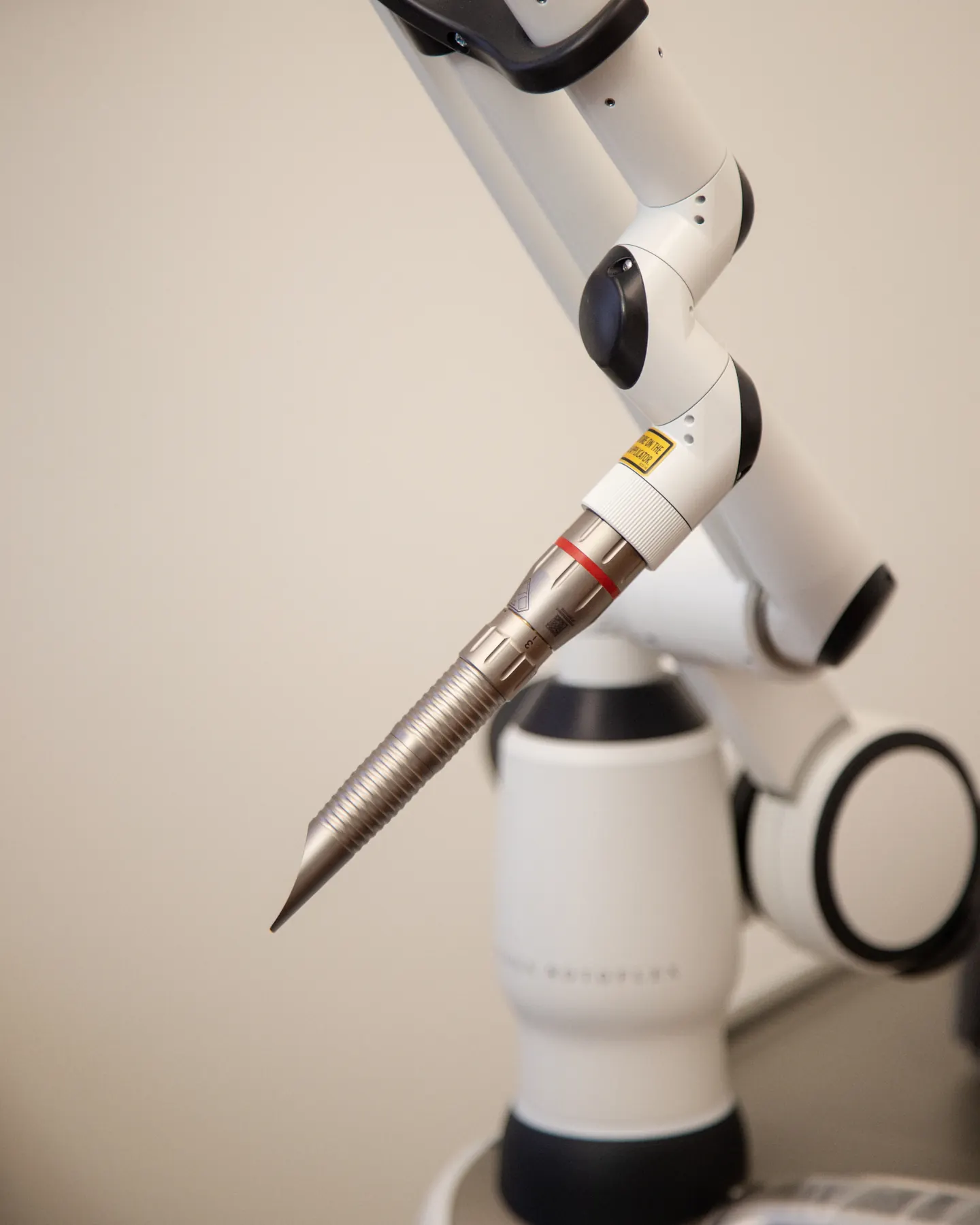
The Fotona 4D Laser Facial (TimeWalker) is not one single laser pass. It is a multi step treatment approach that typically combines different laser modes, often using Er:YAG and Nd:YAG wavelengths, to target the skin from several angles. In practice, that can include intraoral tightening, deeper dermal heating, more superficial resurfacing, and a final polishing pass depending on the protocol your provider uses.
That layered approach is part of why people find it appealing. It is trying to do more than one job at once. Instead of focusing only on pigment, or only on redness, or only on surface texture, it aims to improve overall skin quality and firmness. You can think of it as a “stacked” rejuvenation treatment rather than a single issue correction.
Still, broad purpose does not mean universal suitability. Laser energy interacts differently with fair, medium, olive, brown, and deep skin tones. It also behaves differently on dry, reactive, acne prone, rosacea prone, and heavily sun damaged skin. A good provider will not evaluate this treatment in the abstract. They will evaluate it on your actual face, your history of pigmentation, your medications, and your goals.
The skin type question is more specific than most people think
When patients ask whether a treatment is right for their skin type, they usually mean one of two things. They either mean skin tone, such as very fair or richly pigmented skin, or they mean skin behavior, such as oily, sensitive, acne prone, or mature skin. Both matter here.
Clinically, many providers also think in terms of Fitzpatrick skin type, a scale that estimates how skin responds to ultraviolet exposure and how likely it is to burn or tan. This matters with lasers because the risk of post inflammatory hyperpigmentation tends to rise as baseline pigmentation increases, especially if settings are too aggressive or if the skin is already inflamed.
At the same time, I have seen plenty of confusion created by overgeneralization. Some patients hear “safe for darker skin” and assume every setting, every pass, and every practitioner will produce the same low risk outcome. Others hear that resurfacing lasers can trigger pigmentation and rule themselves out too quickly, even when a conservative protocol could have been reasonable. The truth sits in the middle. Device capability matters, but operator judgment matters just as much.
Fair to light skin tones often respond well, but expectations still matter
If you have fair to light skin and your concerns include early laxity, uneven texture, fine lines around the mouth, dullness, or a “tired” quality to the skin, the Fotona 4D Laser Facial (TimeWalker) can be a strong candidate. Lighter skin tones generally have a lower baseline risk of pigment complications after laser treatment, which gives the practitioner more room to tailor intensity.
This does not mean every fair skinned patient gets a dramatic result. Results depend heavily on the starting point. Someone in their late thirties with mild crepiness, slight loss of cheek firmness, and early upper lip lines may see a nice refreshed look after a series. Someone with etched static wrinkles, significant sagging, or advanced sun damage may enjoy some improvement but still feel underwhelmed if they were hoping for a facelift level change.
That distinction matters. In clinic conversations, dissatisfaction often comes less from poor treatment and more from mismatched expectations. A treatment that gives a 15 to 25 percent visible improvement can be excellent for one person and disappointing for another.
Medium, olive, and tan skin can do well with the right protocol
Patients with medium or olive skin often sit in the most misunderstood category. They are frequently good candidates for non ablative or mixed mode laser rejuvenation, but they also carry more pigmentation risk than very fair patients. This is where conservative planning pays off.
For medium skin tones, several details make a real difference. The first is whether you have a history of post inflammatory hyperpigmentation from acne, waxing, peels, or minor scratches. The second is whether your skin is currently tanned, even lightly. The third is whether your provider intends to use resurfacing settings that push the treatment toward more downtime. Each of those factors shifts the risk calculation.
I have seen olive toned skin do beautifully with gradual treatments spaced appropriately and paired with disciplined sun protection. I have also seen the same skin type develop stubborn blotchy pigment after an overly aggressive treatment done too close to a holiday in the sun. The device was not the whole story. Timing and restraint were.
If your skin tends to pigment easily, a test spot or a modified protocol may be worth discussing. Sometimes the smartest version of the treatment is not the most powerful version.
Brown and deeper skin tones require more caution, not automatic exclusion
For brown, deep brown, and richly pigmented skin tones, the central issue is safety margin. Lasers that generate heat or disrupt the surface can increase the risk of hyperpigmentation or, more rarely, hypopigmentation if they are not chosen and delivered carefully. That is true across many energy based treatments, not just Fotona platforms.
Does that mean the Fotona 4D Laser Facial (TimeWalker) is off the table for deeper skin? Not necessarily. It means candidacy should be decided by a practitioner with strong experience treating skin of color, not by generic marketing. Technique, energy selection, treatment depth, and aftercare all become more critical.
The provider should ask more questions, not fewer. Have you ever darkened after a peel? Did an old acne breakout leave lingering marks for months? Have you had trouble after microneedling, waxing, or heat? Are you dealing with active melasma? These are not side questions. They often determine whether the treatment should be modified, postponed, or replaced.
In many cases, people with deeper skin can benefit from lower risk rejuvenation strategies first, then consider laser work later if the skin proves stable. Caution is not a lack of confidence. It is good practice.
Sensitive skin, rosacea, and barrier damage change the equation
Laser consultations often focus on tone and texture while ignoring skin reactivity. That is a mistake. If your skin stings easily, flushes with heat, reacts to many products, or lives in a chronic state of barrier disruption, a laser treatment can feel harsher than expected even if it is technically appropriate.
Patients with rosacea or persistent redness need particularly thoughtful assessment. Some laser modes can be useful in carefully selected cases, but active inflammation tends to make skin less predictable. A patient who cannot tolerate a bland moisturizer after cleansing is not an ideal candidate for an elective rejuvenation treatment next week.
The same applies to people overusing exfoliants, retinoids, scrubs, or acne products. I often tell patients that the condition of the skin barrier on the day of treatment matters almost as much as the baseline skin type. If the barrier is compromised, even a moderate treatment can provoke more redness, irritation, and prolonged recovery.
Sometimes the right answer is not no. It is not yet. A few weeks of barrier repair, simplified skincare, and strict sun avoidance can turn a borderline candidate into a much better one.
Acne prone skin can benefit, but active breakouts complicate timing
There is a tendency to treat all oily or acne prone skin as one category. In reality, there is a huge difference between someone with a shiny T zone and occasional clogged pores, and someone with inflamed cystic acne plus red or brown marks that linger for months.
The Fotona 4D Laser Facial (TimeWalker) may help some acne prone patients indirectly by improving overall skin quality and texture, and some laser modalities are used in acne management more broadly. But if you have active inflammatory breakouts, skin picking, or a habit of developing post acne marks, timing becomes important. Treating over unstable skin can muddy the outcome and raise the likelihood of unwanted pigmentation.
For patients dealing mostly with residual textural roughness, enlarged pores, and post acne dullness after the acne itself is under control, the treatment may be more worthwhile. For someone in the middle of frequent flares, it may be smarter to stabilize the acne first and revisit resurfacing later.
Mature skin often loves the treatment, within limits
There is a sweet spot for this type of laser rejuvenation, and mature skin with mild to moderate laxity often falls into it. Patients in their forties, fifties, and sixties who want firmer looking skin, smoother perioral lines, and a healthier surface without surgery often appreciate the balance of results and recovery.
Where things get tricky is severe tissue descent. If jowling is pronounced, the lower face feels heavy, or neck laxity is the dominant complaint, a non surgical treatment may freshen the skin but not solve the structural problem that actually bothers you. Patients sometimes describe this as “my skin looked better, but my face shape looked the same.” That is not failure. It is a reminder that skin quality and facial support are related, but not identical.
If your main issue is crepey texture and early softening, this treatment can make sense. If your main issue is deeper sagging, the conversation should widen to include other options.
What it tends to treat best
The strongest candidates usually have a cluster of moderate concerns rather than one severe one. Think of the person who says, “I look a little more tired, lined, and loose than I used to,” rather than, “I need one deep fold erased.”
The treatment often aligns best with concerns like these:
- Fine lines, especially around the mouth and eyes.
- Mild to moderate loss of firmness.
- Uneven texture or a rough, tired skin surface.
- Dullness that makes the face look flat.
- Early signs of photoaging without advanced sagging.
That profile matters because the Fotona 4D Laser Facial (TimeWalker) is generally more about cumulative refinement than one time correction. It can move several smaller concerns in the right direction at once, which is exactly why many patients like it.
What often makes someone a poor fit
Sometimes the answer is straightforward. A patient is a poor fit not because the technology is bad, but because the treatment goal, risk profile, or timing is off.
Common reasons to pause or reconsider include the following:
- Active melasma or a strong history of pigmentation after irritation.
- Very reactive skin with ongoing redness or barrier damage.
- Recent sun exposure or an upcoming beach holiday.
- Expectations of surgical level lifting from a non surgical treatment.
- Use of medications or medical conditions that affect healing, if your clinician flags them as relevant.
Those are not absolute rules in every case, but they are important caution signs.
Downtime is usually manageable, but not always trivial
One reason this treatment gets so much attention is the promise of limited downtime. That is often true. Many patients experience redness, warmth, mild swelling, and a sandpapery feel for a few days rather than the longer healing associated with deeper ablative resurfacing.
Still, downtime is not one size fits all. A conservative treatment done on resilient skin may leave someone comfortable attending meetings the next day with tinted sunscreen. A more intensive session, especially one with stronger resurfacing elements, can leave another person pink and puffy for several days. Around the mouth, where movement is constant, recovery can feel more noticeable than patients expect.
This is one of those details that separates honest counseling from sales talk. If your work is public facing, if you flush easily, or if you are planning around an event, ask what your provider sees in real life, not just the best case brochure version.
Series versus single treatment, and why that matters for candidacy
Many good candidates become poor candidates on budget or patience alone. Not because they cannot tolerate the treatment, but because they want a one and done result from a modality that usually performs better as a series.
Most practices recommend multiple sessions spaced over weeks, with maintenance depending on age, sun exposure, skincare, and how aggressively you want to preserve results. That does not mean one session does nothing. It means the treatment tends to build.
This matters because some skin types, especially those requiring cautious settings, may benefit Fotona 4D Laser Facial (TimeWalker) precisely because the provider is choosing gradual improvement over one intense treatment. If you are the kind of person who would rather have a longer runway and lower risk, that can be a plus. If you know you will resent repeat visits, another approach may fit your temperament better.
Questions worth asking at your consultation
A short consultation can reveal whether the clinic is simply selling a service or actually evaluating your skin.
Ask how often the provider treats patients with your skin tone and your specific concerns. Ask what sort of downtime they typically see with the settings they recommend. Ask whether they are worried about hyperpigmentation in your case, and what they would do to reduce that risk. Ask what result would be realistic after one treatment Fotona 4D Laser Facial (TimeWalker) versus a full series.
The quality of the answers matters more than the enthusiasm. A clinician who offers nuance is usually safer than one who promises dramatic tightening for everyone.
How to decide if it is right for you
The right candidate for the Fotona 4D Laser Facial (TimeWalker) usually has reasonably stable skin, mild to moderate aging concerns, realistic expectations, and a provider who understands both the device and the skin in front of them. The treatment tends to reward patience, consistency, and good aftercare.
If your skin is fair to medium and resilient, your concerns are early lines, texture, and modest laxity, and you want meaningful but not surgical change, there is a good chance this treatment belongs on your shortlist. If your skin is olive, brown, or deep, the question becomes less about whether the device exists and more about whether your clinician has the judgment to use it appropriately. If your skin is inflamed, pigment prone, or highly reactive, a careful pause may save you from a frustrating setback.
That is often the real answer patients need. Not a simple yes or no, but a more useful one: right treatment, wrong timing. Or good treatment, wrong expectations. Or promising treatment, if done conservatively by the right hands.
Laser rejuvenation is rarely about chasing perfection. It is about choosing the level of intervention that matches your skin, your goals, and your tolerance for risk. When that match is good, the results tend to look natural, rested, and quietly convincing. When it is poor, even a technically successful treatment can feel like the wrong choice.
OMNIA Wellness Center
Address: 16430 Ventura Blvd Ste 207, Encino, CA 91436
Phone: (818) 386-8511
FAQ About Fotona 4D Laser Facial (TimeWalker)
What are the benefits of Fotona laser treatment?
OMNIA offers this treatment for concerns such as uneven texture, dull tone, and fine lines. Results and the number of sessions vary, so discuss your goals with a provider.
Is Fotona laser safe?
A qualified provider should review your skin, medical history, medications, and recent sun exposure to determine whether the treatment is appropriate. Ask about possible irritation, pigment changes, and aftercare before booking.
How much does a Fotona 4D facelift cost?
Price depends on the treatment plan and number of visits. Ask OMNIA for an itemized estimate during your consultation.
Corrections
Spot something wrong? Send it to the desk and it gets fixed in the open.